
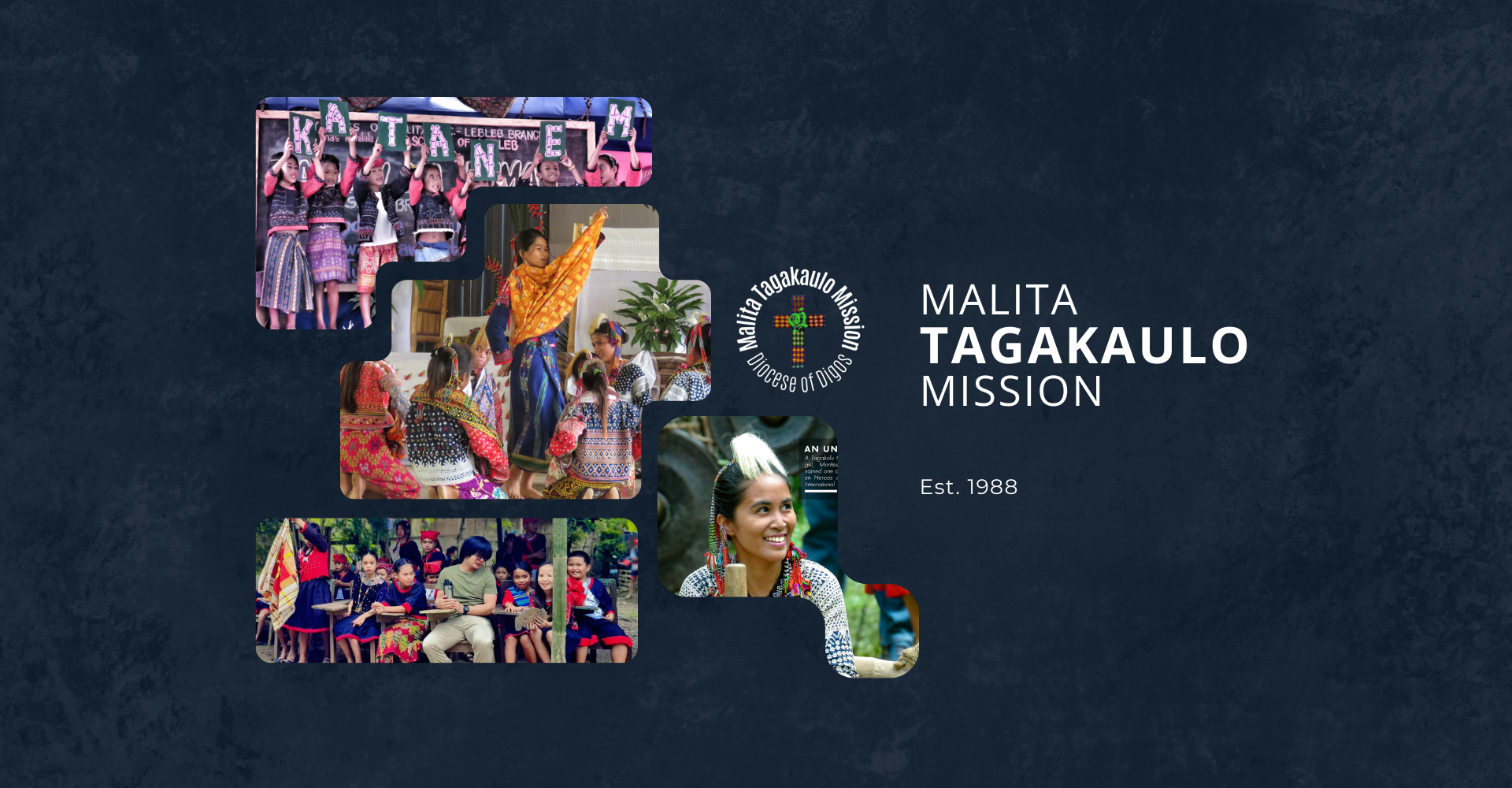
The Tagakolu
The Tagakolu people are one of the many Indigenous Peoples of Mindanao in the southern Philippines. The Tagakolu are in the highlands of the provinces of Davao del Sur, Davao Occidental, and Sarangani. Like all the Indigenous Peoples of the Philippines, the Tagakolu face the immense challenge of standing up for their rights, being accepted and respected for who they are as a people, and making their voice heard in the current globalized world. Tagakolu refers to people who live upstream, where the forests are, and from where the waters of rivers flow. Kolu in the name Tagakolu refers not only to the forests but also to the land, the plants and animals, the water and the air, the people and their ancestors, the spirits of the forest, their history, their stories, their beliefs and traditions, their music and songs, as well as the dynamic relationship between these elements. All this is kolu!


The Tagakolu Heritage
Witness the wisdom embedded in their current way of life, the rhythms of their traditions, and the deeply felt imperative for recognition in a world that often fails to hear their voice. A quiet observation of an enduring spirit, poised against the echoes of history and the challenges of the present.
The Enduring Struggle of the Tagakaulo
The Tagakolu people endured centuries of foreign claim to their ancestral lands, first under the Spanish, whose influence was minimal, and then under the Americans, who aggressively exploited Mindanao, leading to land grabs by settlers and resulting in the resistance act of a Tagakolu man assassinating the American district governor of Davao in 1906. Even after the re-establishment of the Philippine Republic, and despite the passage of the 1997 Indigenous Peoples Rights Act (IPRA) designed to protect their domains, the Tagakolu continue to suffer marginalization, losing land to local politicians acting as warlords through "legal theft," which, combined with the cultural pressure from Western media and language displacement in schools, is tragically eroding their distinct cultural identity and societal cohesion.


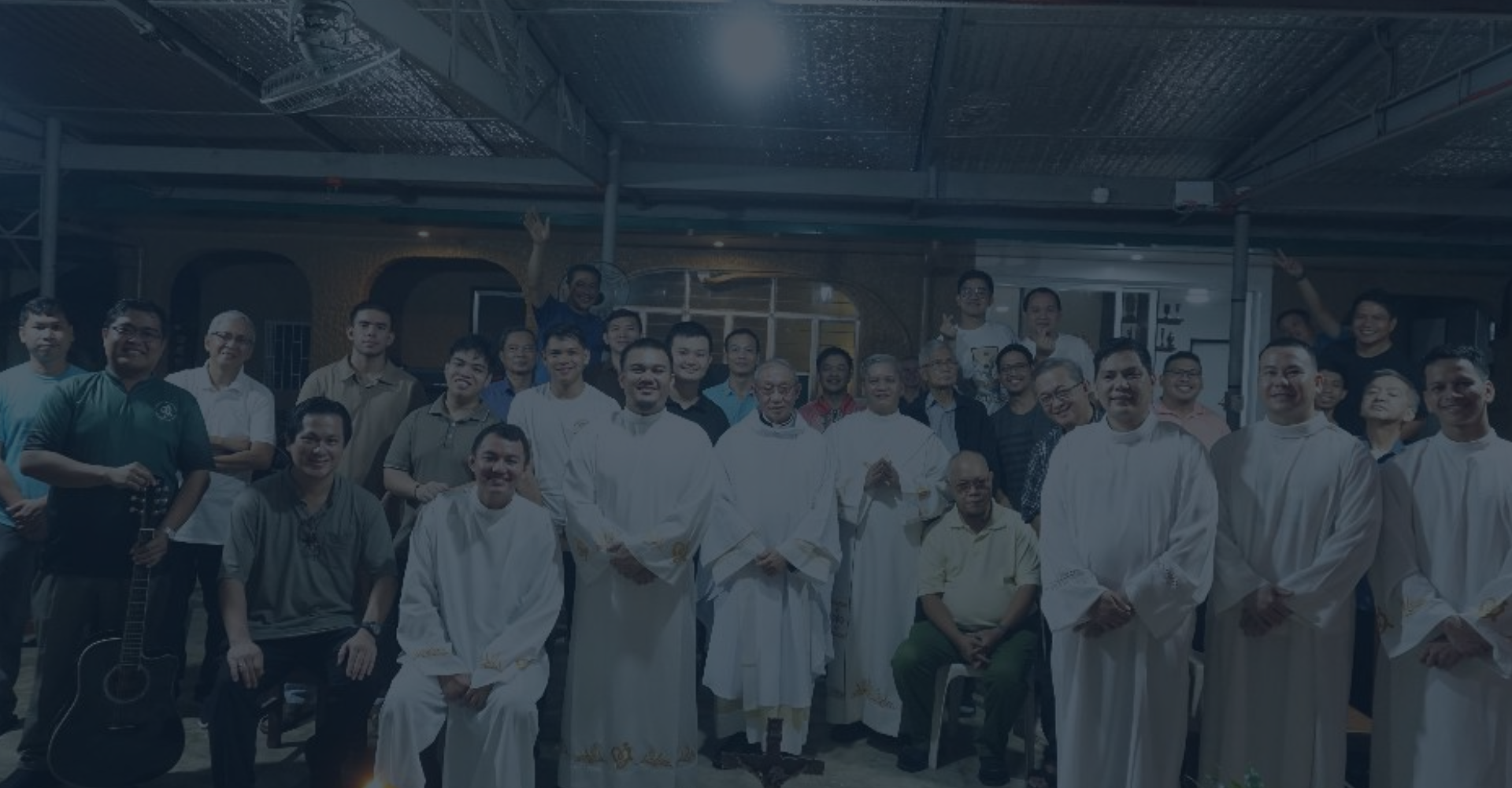
The Missionaries of Jesus (MJ) at the Malita Tagakaulo Mission (MATAMIS) aim to witness and proclaim as a community the presence and coming of God’s Reign as proclaimed by Jesus of Nazareth by journeying and working with the Tagakolu people to promote the wealth and beauty of their culture and help them protect their ancestral domain from developmental aggression.
The MJ's Ministry to the Tagakaulo
The Missionaries of Jesus (MJ) carry on the evangelization and social work initiated by the Canadian PMÉ missionaries (1970s-2011) and the Colombian Yarumal missionaries (2000-2005) in the mountainous Tagakolu communities, arriving in 2006 at the Malita Tagakaulo Mission (MATAMIS). The MJ's approach is deeply rooted in the Christian concepts of Incarnation and kenosis, inspiring them to learn the Tagakolu language, respect their culture as a "gift from God," and live with them in reverence. Due to poor infrastructure, their ministry involves difficult treks to Christian communities for spiritual life and formation programs adapted to the Tagakolu context. Furthermore, the MJ actively supports culture-respectful education by maintaining two elementary schools that use Tagakolu as the medium of instruction and partners with NGOs like iEmergence to facilitate intergenerational sharing programs between elders and youth to preserve indigenous knowledge. Finally, the MJ has established a network with universities and NGOs in Davao to raise awareness about the sacredness of the Tagakolu's ancestral domain, aiming to combat land grabbing and help the Tagakolu find their voice against abuses.



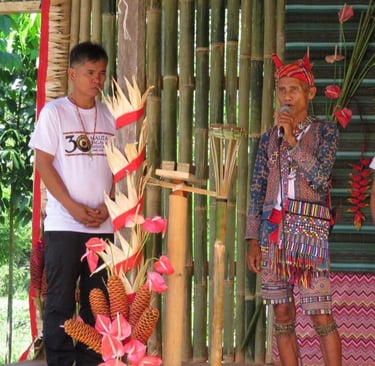

Mission Spotlight: The Tagakaulo IP Schools
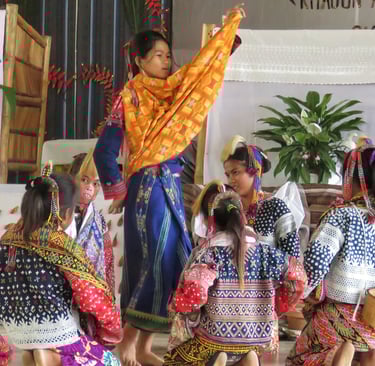
Rooted in a legacy that began in the mid-1980s, the Malita Tagakaulo Mission (MATAMIS) serves as a vital beacon of hope in the mountains of Davao Occidental. Today, the Missionaries of Jesus continue this sacred journey by managing the IP School of Kyasan and the IP School of Lebleb—communities named by the Tagakolu people themselves. Our mission goes beyond traditional schooling; we provide a culturally rooted curriculum that honors indigenous identity while ensuring education remains a free and accessible right for every child in the peripheries.



Join us in a sacred act of respect: Together, we embrace the Tagakolu people and their culture as God's gift. By nurturing their language, schools, and land, we ensure that every Indigenous child can grow, thrive, and lead their community into a future full of hope.
Ubun na Kettal Program
The Ubun na Kettal program, established by the Missionaries of Jesus (MJ) in partnership with the NGO iEmergence, serves as the youth arm of the Malita Tagakaulo Mission (MATAMIS), taking its name from the Tagakolu phrase meaning "those charged to care for the Tagakolu culture." Launched in 2015 after consultations with Tagakolu communities, the program's core aim is to form leaders who are deeply rooted in their cultural identity—seen as a gift from their God, Tyumanem—while remaining aware of the modern world. Ubun na Kettal provides a vital intergenerational platform where elders and youth gather to share, learn, and celebrate their heritage, ensuring the preservation of Tagakolu customs, and has successfully expanded its reach to seven communities as of 2019.


Why Your Support is Essential
This mission is a concrete expression of our commitment to be in true communion with our indigenous brothers and sisters. In accordance with our values of justice and dignity, we ensure our teachers receive just wages and professional benefits, allowing them to focus entirely on forming the hearts and minds of their students. Because these schools offer free education to the Tagakolu community, our work relies entirely on the providence of God through the generosity of donors like you.
Without your partnership, this vital light of education in the mountains would be difficult to sustain.
How You Can Help
Sponsor a Teacher: Help us provide just wages for those dedicated to IP education.
Provide Learning Materials: Donate toward the books and supplies used in our unique IP curriculum.
Sponsor a Student: Ensure a Tagakolu child can attend school for free.

Address:
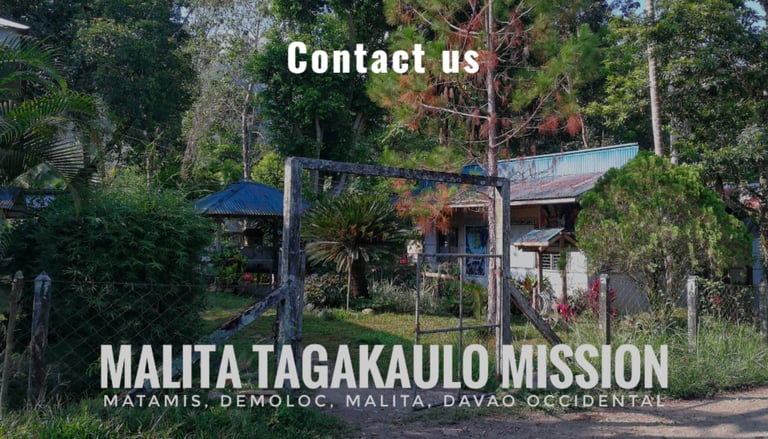
Matamis, Brgy. Demoloc, Malita, Davao Occidental 8012, Philippines
Packages
Missionaries of Jesus 19-A Model House, Belen Rd., Brgy. Pampanga 8000, Davao City Philippines
Mail:
c/o Catholic Rectory Sto. Rosario Parish Malita, Davao Occidental 8012, Philippines
Connect
Join us in spreading faith and hope.
Copyrights © 2025. All rights reserved. | Developed by WhichOnePh
Missionaries of Jesus Villa Ligaya Dela Paz, Antipolo Philippines, 1870